

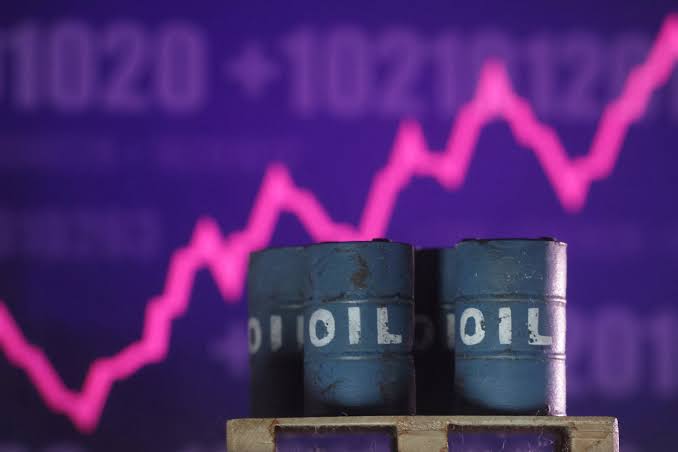
Global crude oil markets are facing renewed pressure as Brent oil prices rise above $92.28 per barrel, driven by growing concerns over possible disruptions to major energy shipping routes in the Middle East.
The recent surge follows escalating tensions around the Strait of Hormuz and fresh threats affecting the Bab el-Mandeb, two of the world’s most important maritime routes for oil transportation. The developments have weakened earlier hopes that fuel prices would continue falling after Brent had dropped close to $70 per barrel in the previous month.
The Strait of Hormuz plays a crucial role in transporting a significant share of oil exports from Gulf countries, while the Bab el-Mandeb serves as a strategic passage connecting the Red Sea to the Suez Canal and European markets. Any disruption along these routes could create major challenges for global energy supplies.
With some vessels forced to take longer alternative routes around the Cape of Good Hope in South Africa, shipping times, insurance expenses, and transportation costs are increasing, adding further pressure on oil prices worldwide.
Major financial institutions have warned that continued instability and prolonged disruptions could push Brent crude prices toward $120 per barrel, potentially increasing fuel costs, production expenses, and inflation risks across global economies.
The latest developments highlight how geopolitical tensions can quickly influence energy markets, creating uncertainty for consumers, businesses, and governments already dealing with high economic pressures.
